

Quick answer
Bolgheri wine refers to red and white wines produced under the Bolgheri DOC appellation in the province of Livorno, Tuscany. The region is best known for Bordeaux-style red blends—often called Super Tuscans—made primarily from Cabernet Sauvignon, Cabernet Franc, and Merlot rather than traditional Sangiovese. These wines gained international recognition in the 1970s when estates like Sassicaia demonstrated that Tuscany's coastal terroir could rival Bordeaux itself.
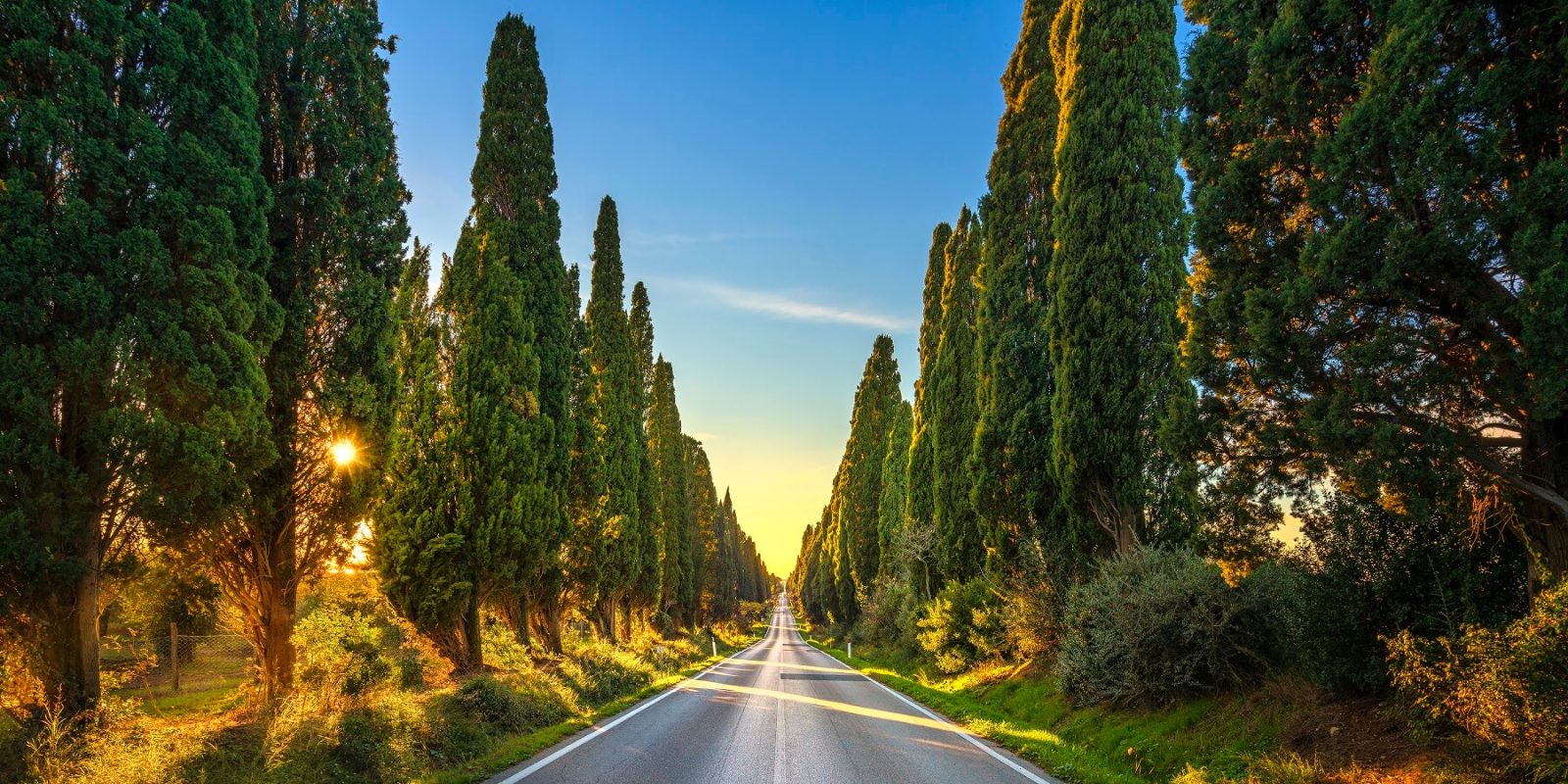
Bolgheri occupies a narrow strip of coastal Tuscany between the Tyrrhenian Sea and the hills east of Castagneto Carducci. The denomination covers roughly 1,300 hectares of vines, yet its influence on Italian winemaking extends far beyond its modest geography. What is Bolgheri wine in practical terms? It is the result of maritime climate, gravelly alluvial soils, and a deliberate choice to plant international varieties in a region dominated by native grapes. The story begins in the 1940s when Marchese Mario Incisa della Rocchetta planted Cabernet Sauvignon cuttings on the San Guido estate. His wine, Sassicaia, remained a private project for decades before its commercial release in 1971. Critics compared it to classified Bordeaux growth, and the comparison held. Other producers followed—Ornellaia, Le Macchiole, Grattamacco—each interpreting the same coastal terroir with varying blends of Cabernet Sauvignon, Merlot, Cabernet Franc, and occasional Syrah or Petit Verdot. The Bolgheri DOC was established in 1994, with Sassicaia later granted its own sub-appellation, Bolgheri Sassicaia DOC, in 2013. The wines themselves are structured, age-worthy reds with firm tannins softened by extended oak maturation. Cabernet Sauvignon contributes cassis and pencil lead; Merlot adds plum and roundness; Cabernet Franc brings floral lift and herbal edge. The maritime influence moderates summer heat, allowing slow phenolic ripening without the raisining common further inland. Gravelly soils drain quickly, stressing the vines just enough to concentrate flavor without compromising acidity. The result is a profile that borrows from Bordeaux but speaks in a distinctly Tuscan accent—riper fruit, denser texture, and a saline minerality traced to proximity to the sea. Visitors arriving between 09:00 and 17:00 will find the village of Bolgheri itself small and quiet, anchored by a single cypress-lined avenue and a handful of wine bars. The real draw is the surrounding estates, most of which require advance booking for tastings. Winery visits are priced individually, with no general admission to the appellation itself. The official Bolgheri DOC consortium maintains resources at bolgheridoc.com for those planning a tasting itinerary. Understanding what is Bolgheri wine means tasting it in context—among the vines that challenged convention and the producers who continue to refine it.
“The denomination covers roughly 1,300 hectares of vines, yet its influence on Italian winemaking extends far beyond its modest geography.”
What Is Bolgheri Wine: Defining the Bolgheri DOC
Bolgheri wine is defined by its unique microclimate and the legal framework established by the Bolgheri DOC, which permits the use of international grape varieties in Tuscany. This region shifted Italian viticulture by prioritizing high-quality red blends over traditional regional requirements.
1983 year of DOC creation
The Bolgheri Denominazione di Origine Controllata was officially recognized in 1983, initially covering only white and rosato wines. The inclusion of red wines under the DOC status followed in 1994, formalizing a style that had been developing for decades.
International grape varieties permitted
The regulations allow for the use of Cabernet Sauvignon, Merlot, Cabernet Franc, and Syrah in various proportions. Sangiovese is also permitted, though it is not a mandatory component, distinguishing this area from the strict Sangiovese-dominant rules of nearby Chianti.
The Bolgheri Sassicaia sub-zone
Bolgheri Sassicaia is the only sub-zone in Italy that constitutes a DOC on its own, dedicated exclusively to the production of Sassicaia. This designation reflects the historical importance and specific terroir of the Tenuta San Guido estate.
Coastal maritime climate influence
The vineyards are situated on the Tyrrhenian coast, where the Mediterranean sea provides a moderating influence. This climate creates stable temperatures and bright light, which are essential for ripening Bordeaux varieties effectively in Tuscany.
100 percent varietal flexibility
Winemakers have the regulatory freedom to create wines ranging from single-varietal bottlings to complex blends of multiple international grapes. This flexibility allows producers to focus on the specific expression of their individual vineyard plots.
DOC hierarchy and quality standards
The Consorzio per la Tutela dei Vini Bolgheri regulates production levels and aging requirements to maintain consistency. These standards ensure that all wines labeled Bolgheri Rosso or Bolgheri Superiore meet strict quality criteria for the designation.
The Evolution of What Is Bolgheri Wine and the Super Tuscan Movement
Until the 1960s, Bolgheri remained a quiet agricultural corridor along Tuscany's coastal plain, its gravel soils and maritime climate deemed unsuitable for the Sangiovese that defined the region's identity. The medieval village had drawn poets and travelers, but viticulture was marginal. That changed in 1968 when Marchese Mario Incisa della Rocchetta released Sassicaia, a wine he had cultivated privately since 1944 using Cabernet Sauvignon cuttings imported from Château Lafite. The 1968 vintage reached international markets and shattered assumptions about what Tuscan terroir could yield. Sassicaia's success posed a regulatory problem. Tuscany's Denominazione di Origine Controllata laws mandated Sangiovese as the dominant varietal, rendering Bordeaux-based blends ineligible for DOC classification. Rather than conform, a generation of Bolgheri producers embraced the outsider label. Tenuta San Guido, Ornellaia, and others planted Cabernet Sauvignon, Merlot, and Cabernet Franc throughout the 1970s and 1980s, marketing their wines as Vino da Tavola—table wine—despite achieving quality and prices that rivaled Bordeaux's classified growths. Critics and collectors coined the term "Super Tuscan" to describe what is Bolgheri wine in this rebellious era: technically unclassified, commercially ascendant. Formal recognition arrived in 1994 when the Italian government granted Bolgheri its own DOC, later elevated to Bolgheri Sassicaia DOC in 2013 for the single estate. Today, the cypress-lined avenue leading into the village marks the boundary of a denomination that extends across 1,300 hectares. Visitors walking Bolgheri's Via Bolgherese pass the same gravelly vineyards that redefined Tuscan winemaking, their rows now protected by appellation law rather than confined by it.
Marchese Mario Incisa della Rocchetta plants experimental Cabernet Sauvignon vines on his Tenuta San Guido estate, seeking a Bordeaux-style wine in coastal Tuscany.
Sassicaia's first commercial vintage is released, proving Bolgheri's gravel soils capable of producing world-class Cabernet Sauvignon outside traditional DOC boundaries.
Ornellaia, Le Macchiole, and other estates establish vineyards using Bordeaux varietals, embracing the "Super Tuscan" label as demand outpaces regulatory recognition.
Bolgheri receives DOC status, legitimizing international varietals and formalizing the appellation that had operated outside Tuscany's Sangiovese-centered framework.
Bolgheri Sassicaia DOC is created as Italy's first single-estate appellation, recognizing the wine that catalyzed the region's transformation.
Access Costs and What Is Bolgheri Wine Logistics
Access to the village of Bolgheri is free for all visitors. Winery visits and professional wine tastings operate under independent pricing structures set by each estate.
A typical visitor pays 0 EUR for village access, with total costs depending solely on the specific winery tours or tastings selected.
Getting to the Region to Discover What Is Bolgheri Wine
Bolgheri is located in the municipality of Castagneto Carducci, within the Province of Livorno, Italy. The village is most easily accessed by car via the iconic Viale dei Cipressi, which connects the coastal Aurelia road (SS1) directly to the historic center.
SS1 Aurelia, exit Bolgheri/Donoratico
Regional train to Bolgheri/Castagneto Carducci station
From Bolgheri/Castagneto Carducci station to village
Opening Hours for Visitors Seeking What Is Bolgheri Wine
The village of Bolgheri is accessible to visitors daily throughout the year.
| Monday | 00:00–23:59 | |
|---|---|---|
| Tuesday | 00:00–23:59 | |
| Wednesday | 00:00–23:59 | |
| Thursday | 00:00–23:59 | |
| Friday | 00:00–23:59 | |
| Saturday | 00:00–23:59 | |
| Sunday | 00:00–23:59 |
Check availability
Common Questions About Bolgheri Wine
Everything you need to know about what is bolgheri wine